UK & EU travellers — no visa needed · Schengen Area since January 2023
UK passport holders may visit Croatia for up to 90 days within any 180-day period without a visa. Croatia joined the Schengen Area on 1 January 2023 and adopted the Euro on the same date. EHIC / GHIC cards are not accepted in Croatia — ensure you have comprehensive travel insurance before travelling.
Before You Go
Entry & Visas
Money & Currency
Health & Insurance
Useful Facts
Transport
Split is one of the best-connected cities in the Adriatic — served by an international airport, regular ferry routes, bus connections and, in summer, cruise ship services.
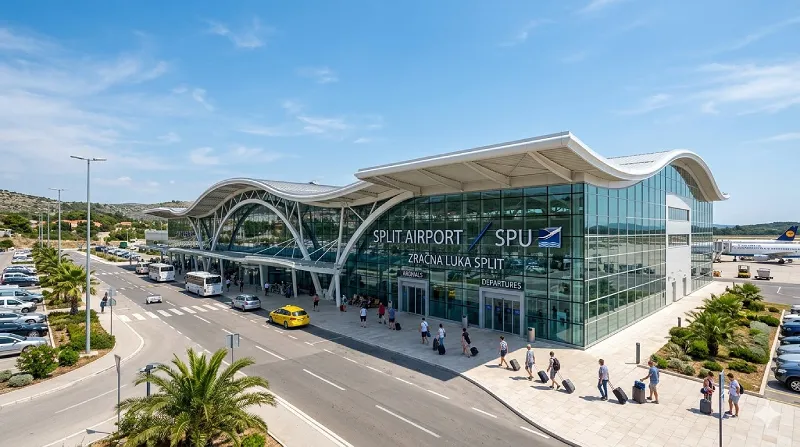
Split Airport (SPU)
25 km west of the city. Direct flights from the UK (easyJet, Ryanair, British Airways), Germany, Netherlands and major European cities. Airport bus to city centre takes ~35 mins.
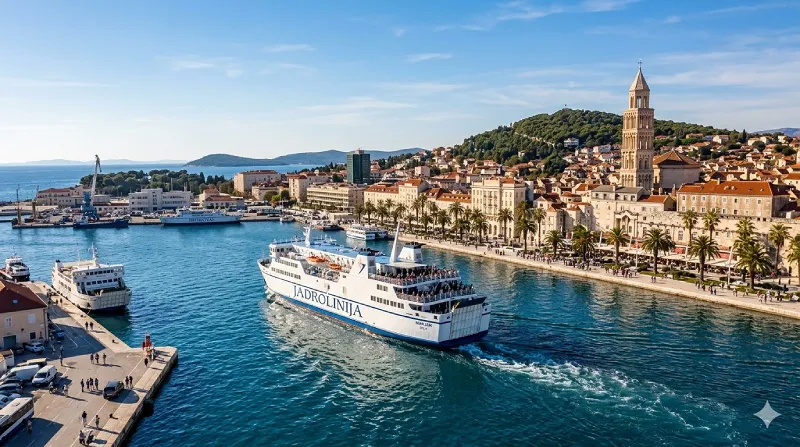
Jadrolinija Ferries
Split's central ferry port connects to all main Dalmatian islands — Brač (50 min), Hvar (1 hr), Vis (2.25 hrs), Korčula (3 hrs). Also overnight ferry to Ancona, Italy. Book at jadrolinija.hr
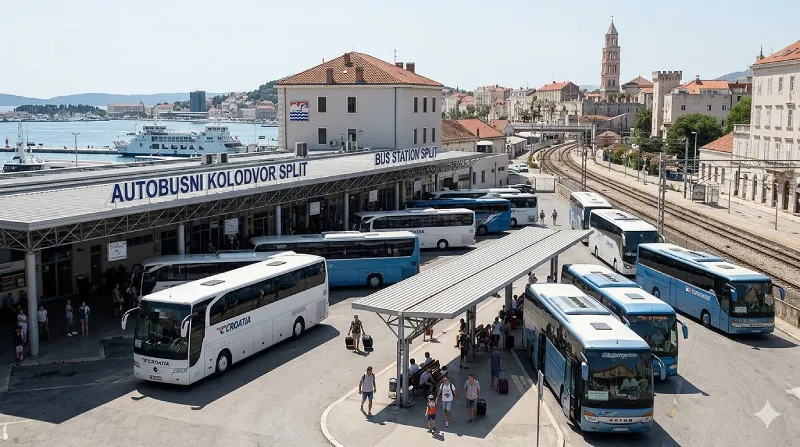
Split Bus Station
Extensive national and international bus connections. Regular services to Dubrovnik (3.5 hrs), Zagreb (5 hrs), Zadar (1.5 hrs), Sarajevo (5 hrs). International routes to Germany, Austria and beyond via FlixBus.
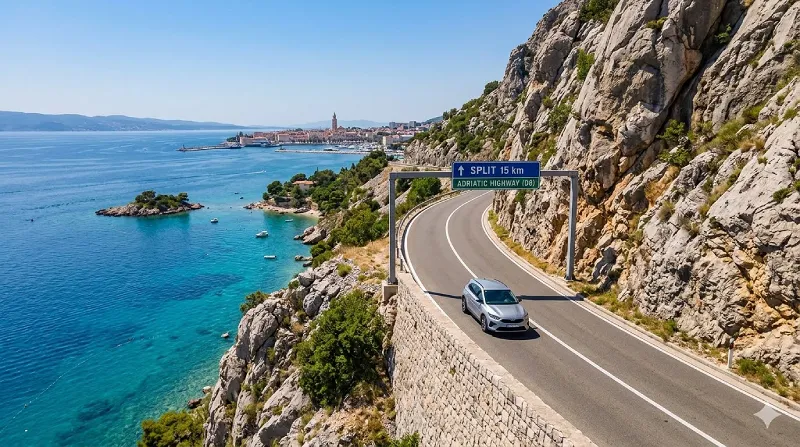
Motorway & Coastal Road
Split is connected to Zagreb via the A1 motorway (4.5 hrs). The coastal Magistrala road is stunning but slower. Note: parking in Split city centre is limited and expensive — consider staying outside and walking in.
🚶 Getting around Split
Split's historic centre is entirely walkable — the main sights are within 15 minutes of the palace on foot. City buses (tram-style) connect the wider city. Taxis and Uber are available and affordable. For islands and day trips, ferries and catamarans depart from the central ferry terminal adjacent to the Riva.
Good to Know
Summer heat
July and August temperatures regularly exceed 33°C. Carry water, wear sun protection, and avoid strenuous sightseeing in the midday heat (12–4pm). Mornings and evenings are ideal.
Dress codes
Cover shoulders and knees when visiting churches and the cathedral. Swimwear is not appropriate on the Riva or in the Old Town — bring a cover-up when walking from the beach.
Shopping hours
Most shops open 8am–8pm weekdays; shorter hours on Saturday; many closed Sunday. Restaurants typically serve from noon and open again from 6pm. The green market (Pazar) runs 7am–1pm daily.
Tap water
Tap water in Split is perfectly safe to drink — Croatia has excellent water quality. Save money and plastic by refilling a reusable bottle.
WiFi & connectivity
WiFi is excellent and free in almost all cafés, restaurants and accommodation. 4G mobile coverage is good throughout the city and on all major islands.
Respect the residents
People live and work inside Diocletian's Palace. The peristyle area is a UNESCO site but also a residential neighbourhood — be mindful of noise, especially late at night, and treat it with the respect it deserves.